
Expert Support
Expert Support
Available 24/7 via chat

Coarse fishing is one of the most popular forms of angling in the UK, and it's a brilliant way to get into fishing. Rivers, canals, lakes, and reservoirs are all within reach, and you don't need a huge amount of gear to get started. This guide covers the essential coarse fishing tackle every beginner needs — without the confusion or the unnecessary expense.
Coarse fishing refers to fishing for freshwater species other than game fish (salmon and trout). Common coarse fish in the UK include roach, bream, tench, perch, chub, barbel, and of course carp. Most coarse fishing is done using float or feeder tactics, making it accessible and enjoyable for all ages.
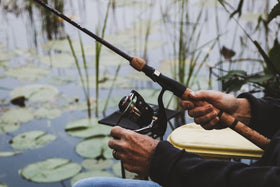
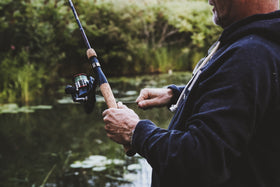
For beginners, a match rod or float rod of 11–13ft is the most versatile starting point. These rods are light, sensitive, and suitable for a wide range of coarse fishing situations.
A good all-round beginner rod will handle most situations. Don't be tempted to buy the most expensive option — a mid-range rod will serve you well while you're learning.
A fixed spool reel in the 3000–4000 size range is perfect for coarse fishing. Look for:
Load your reel with 4–6lb monofilament line for general coarse fishing. Lighter line (3–4lb) for shy-biting fish on clear water, heavier (6–8lb) for fishing near snags or for larger species like barbel.
Floats are the heart of coarse fishing and there are many types, but as a beginner you only need a few:
Start with a selection of wagglers in different sizes (2–4AAA) and a few stick floats. Browse our float range to find the right options for your fishing.
Coarse fishing hooks are typically small — sizes 10 to 18 are most commonly used. As a beginner, a selection of size 12–16 hooks will cover most situations. Choose:
Split shot is used to cock your float and get your bait down to the right depth. A mixed shot dispenser with sizes from SSG down to No.8 will cover all your needs. You'll also want a few leger weights and feeders if you plan to fish on the bottom.
Coarse fish respond to a wide variety of baits. As a beginner, start with these reliable options:
Browse our bait range to stock up before your session.
Most coarse fishing in the UK requires a Rod Licence from the Environment Agency (free for under 13s, discounted for 13–16 year olds). You'll also need permission to fish the water — either a day ticket from a fishery or membership of an angling club.
Commercial fisheries are ideal for beginners as they're well-stocked, have good facilities, and the fish are used to being caught and handled.
Ready to get started? Browse our full range of coarse fishing tackle, including floats, end tackle, and bait at Reelfishing. We stock everything you need to get on the bank and catching fish.
{"one"=>"Select 2 or 3 items to compare", "other"=>"{{ count }} of 3 items selected"}

Leave a comment